


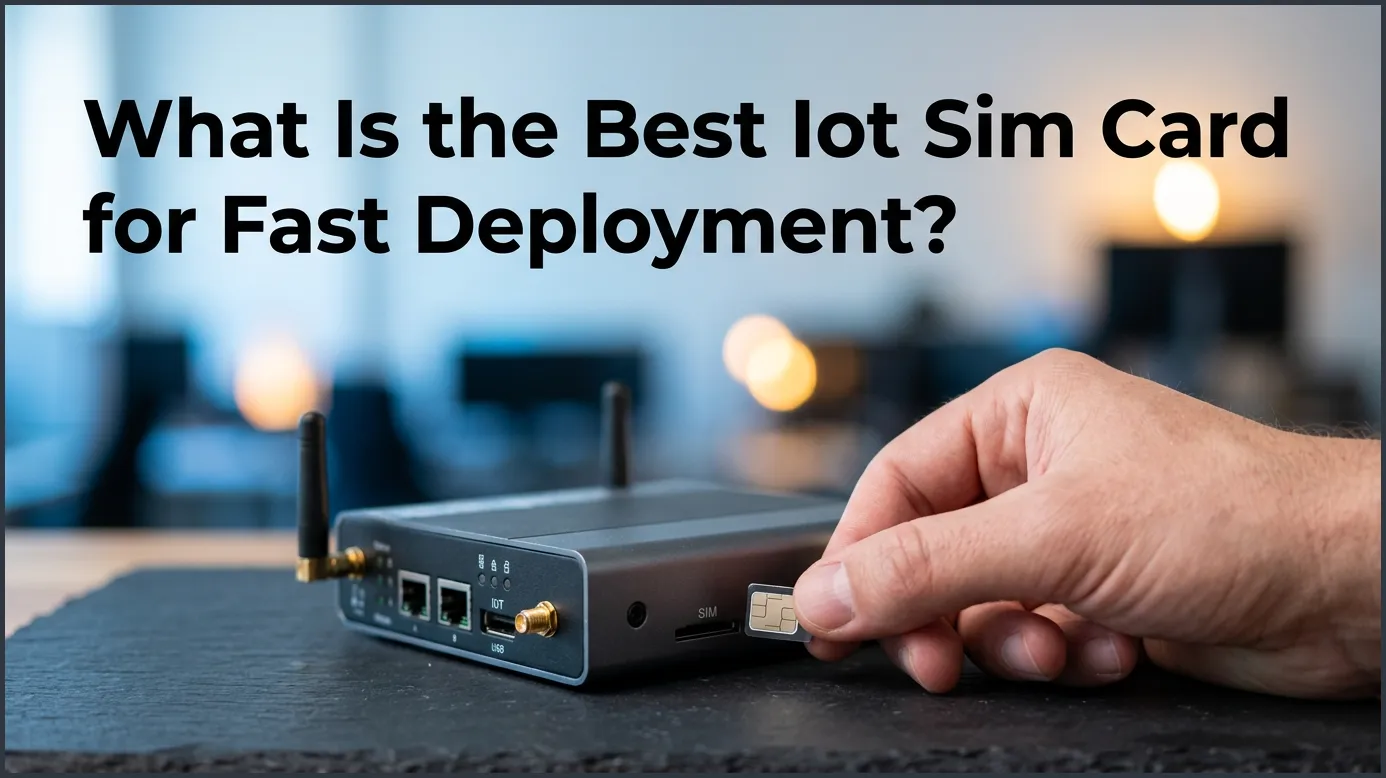
The best IoT SIM card for fast deployment is a multi-network eSIM (eUICC) that supports over-the-air (OTA) provisioning. This technology allows devices to connect to the strongest local carrier automatically right out of the box, removing the need for manual swaps. By choosing a global eSIM with a unified management platform, businesses can launch their IoT projects instantly in multiple countries.
Imagine you have a thousand smart trackers ready to ship. Your customers are waiting. You need them to work the moment they are turned on. But there is a catch. Some devices are going to France. Others are going to Texas or Tokyo. How do you make sure they all connect instantly without a headache? This is where your network hardware choice saves the day.
Selecting the wrong network card can delay your project by weeks. You might have to swap physical chips. You might face high roaming fees. Or you might lose connection entirely. If you want a smooth launch, you need to know: What Is the Best IoT SIM Card for Fast Deployment? This guide will show you exactly what to look for so you can launch your fleet with ease.
Key Takeaways
- eSIMs (eUICC) Win for Speed: Multi-network eSIM cards allow you to change carriers remotely, making deployment incredibly fast and flexible.
- Global Roaming Matters: Look for SIM cards that offer multi-carrier support to avoid dead zones and ensure reliable connection out of the box.
- Over-the-Air (OTA) Updates: Choosing a SIM with OTA capabilities lets you manage, update, and switch profiles without physical contact.
- Central Management is Key: A robust cloud platform helps you track data, monitor devices, and control costs from a single screen.
- Form Factors Count: Match your SIM hardware (MFF2, Micro, Nano) to your physical device design to avoid assembly delays.
📑 Table of Contents
Understanding Your Fast Deployment Options
To get your project moving quickly, you need to know your options. Traditional SIM cards work well for phones. But they are often too slow and rigid for smart machines. Let us look at the main types of cards you can use.
Traditional SIM Cards
A standard SIM card connects to one network. If you move the device to a new country, it might stop working. You would have to open the device and swap the card. This is slow and costs too much money for large projects.
The Power of eSIM and eUICC
The real winner for speed is the eSIM. Specifically, you want a card that uses eUICC technology. To understand how these cards differ in size and shape, check out this complete guide to IoT SIM cards. An eSIM is not just a smaller card. It is a chip that can hold multiple network profiles. You can change these profiles through the air. You do not have to touch the device to switch carriers. This makes global shipping very simple.
Key Features That Speed Up Your Rollout
When you search for the best option, you should look for features that remove friction. Fast deployment means fewer steps for your team. Here are the top features to look for.
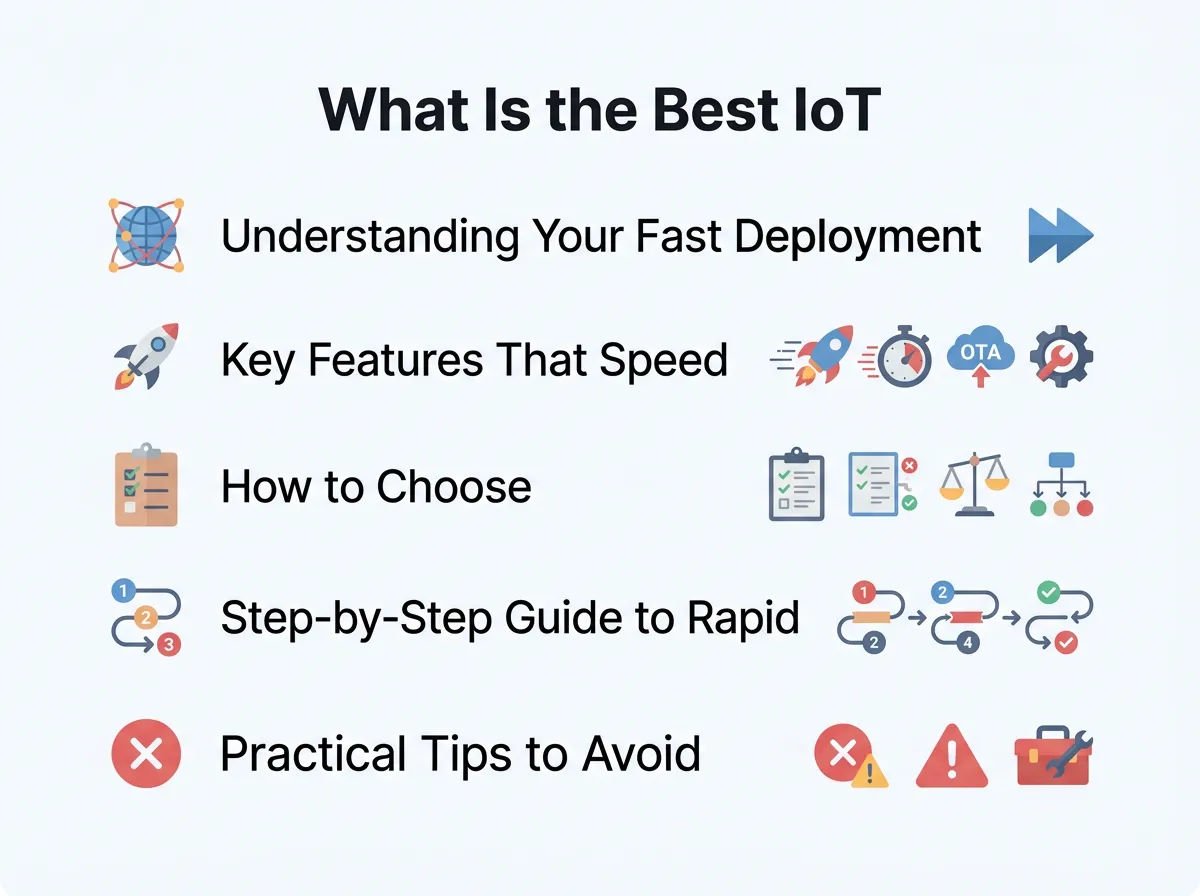
What Is the Best IoT SIM Card for Fast Deployment? — key points at a glance
Multi-Network Roaming
Your devices should not rely on just one carrier. If that carrier has a dead zone, your device goes offline. The best cards have multi-network roaming. They search for the strongest signal and connect to it automatically. This ensures your devices work right out of the box, no matter where they land.
Over-the-Air (OTA) Provisioning
What happens if you want to switch to a cheaper network next year? With OTA provisioning, you do not need to recall your devices. You can push the new network profile to your fleet over the cloud. This saves hundreds of hours of manual work.
Unified Management Platforms
You need an easy way to watch your data. A good provider gives you a single web dashboard. You can activate cards, check data usage, and set alerts. If you want a reliable tool that scales easily, look at the cloud-native emnify IoT SIM. It offers quick cloud integration and deep control over your fleet.
How to Choose the Right IoT SIM Provider
Choosing a provider is just as important as choosing the card. The right partner will make setup simple. The wrong one will leave you stuck in support queues.
Global Coverage Agreements
Some providers claim to have global coverage, but their rates are high. Look for a partner that has solid roaming agreements. You want local rates in the regions where you deploy. This keeps your costs low as you grow.
Excellent API Access
To move fast, you should automate your tasks. Your team should be able to activate SIMs through your own software. Look for a provider that offers clean, simple APIs. This means your developers can connect your systems to the SIM platform in just a few hours.
Flexible Buying Guides
If you are planning a very large rollout, you must think about future costs. Read this large-scale IoT deployment buying guide to learn about pricing structures and bulk deals. Having a clear view of costs helps you plan without surprises.
Step-by-Step Guide to Rapid Deployment
How do you go from zero to a live fleet? Follow these simple steps to ensure a fast launch.
Step 1: Define Your Network Needs
Do your devices send small text files or live video? If you only send small data packets, look at low-power options like LTE-M or NB-IoT. They save battery and have great signal reach.
Step 2: Order Test SIMs
Never buy thousands of cards without testing. Order a handful of test cards first. Test them in the field to make sure they connect fast and send data smoothly.
Step 3: Integrate Your Software
Connect your cloud platform to your SIM provider’s API. Set up automatic triggers. For example, when a user turns on a device, the SIM should activate itself.
Step 4: Ship and Scale
Once testing is done, you can ship your devices. They will connect to the local network as soon as they power up. You can manage them all from your central dashboard.
Practical Tips to Avoid Launch Delays
Even the best plans can hit bumps. Here are a few quick tips to keep your project on track.
Avoid Proprietary Lock-in
Make sure your eSIM is truly open. Some providers lock you into their network. Choose an open eUICC standard so you always have the power to switch.
Check Physical Form Factors
Do not forget the physical size of the chip. Standard plastic cards are great for quick tests. But soldered chips (MFF2) are best for rugged environments. They handle heat and vibrations much better. Make sure your hardware design fits the card type you choose.
Set Up Alerts for Data Overages
A rogue device can use too much data quickly. This can lead to massive bills. Set up automated rules to pause any SIM card that goes over its limit.
Final Verdict: What Is the Best IoT SIM Card for Fast Deployment?
If you want the fastest path to launch, the clear choice is a multi-network eUICC eSIM card. It removes the stress of managing different carriers. It lets you ship one product worldwide. You get total control over the air, saving time and money. By choosing a partner with a strong management platform and global coverage, you can focus on building your business instead of fixing network issues.
Frequently Asked Questions
Can I use a standard phone SIM for my IoT devices?
No, standard phone SIMs are not ideal for IoT. They lack the rugged design, global roaming agreements, and remote management tools needed for machines. Standard cards also cost more when used across borders.
What is an eSIM?
An eSIM is a SIM card that lets you change network profiles over the air. You do not need to physically swap the card to switch carriers. This makes global shipping and updates simple and fast.
How does OTA provisioning save time?
Over-the-air (OTA) provisioning lets you send network updates to your devices remotely. You do not have to retrieve devices from the field to change settings. This saves massive amounts of travel and manual labor.
What is the difference between LTE-M and NB-IoT?
LTE-M is built for moving devices and offers higher data speeds. NB-IoT is designed for stationary devices and uses very little power. Both options help extend the battery life of your machines.
Why is multi-network roaming important?
Multi-network roaming ensures your device connects to the strongest available signal. If one carrier goes down, the device switches to another automatically. This keeps your fleet online without manual resets.
Do I need a physical card or a soldered chip?
Physical cards are great for testing and quick setups. Soldered chips (MFF2) are better for long-term use in harsh environments. They resist moisture, shock, and extreme temperatures much better.
