


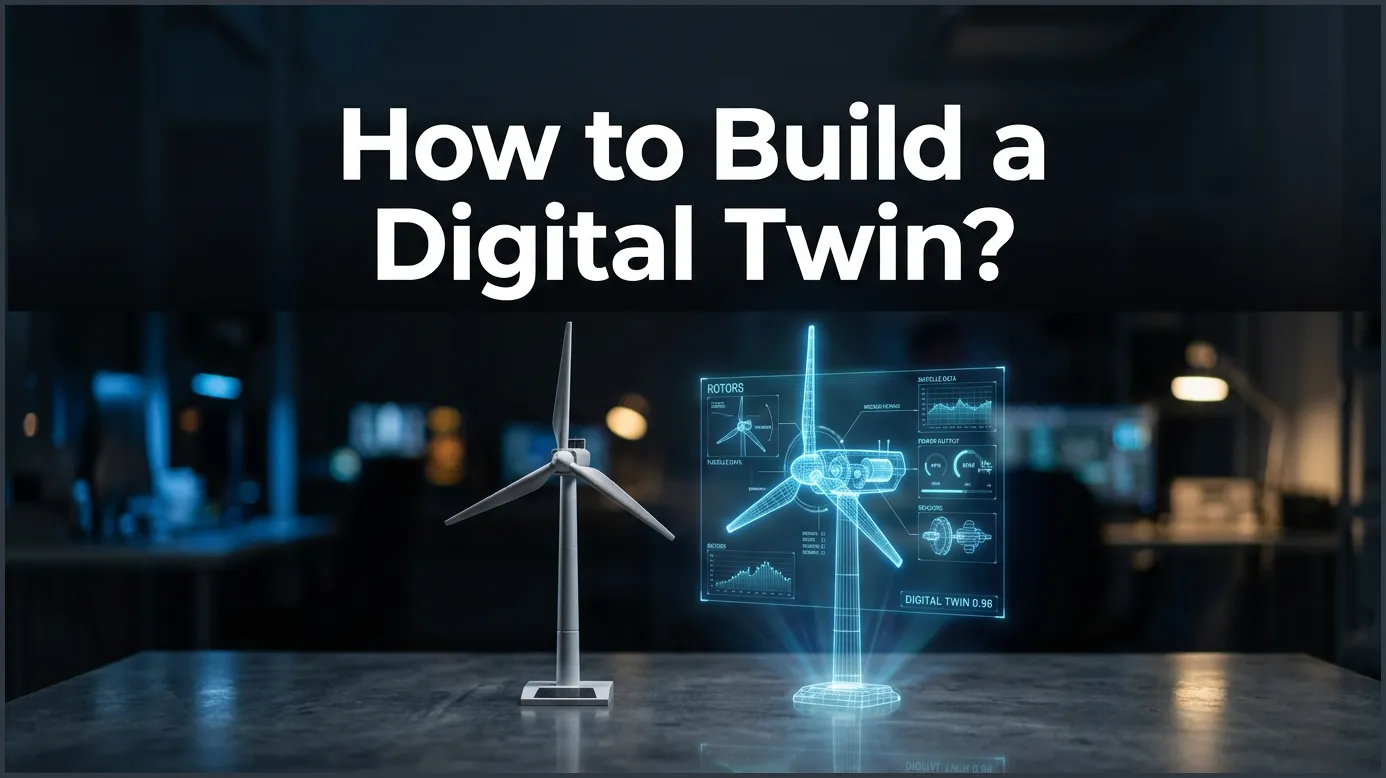
Building a digital twin involves capturing real-world data through sensors, connecting it to a virtual model, and using analytics to drive decisions. This process requires a clear business use case, robust data integration, and continuous synchronization between the physical and digital assets. By following a structured step-by-step roadmap, organizations can successfully deploy digital twins to optimize performance, run simulations, and predict failures.
Imagine having a magic mirror for your business. This mirror does not just show your reflection. Instead, it shows how your machinery is running, how your factory is flowing, or how your building is using energy. It tells you when a machine is about to break down before any physical signs appear. This is not science fiction. It is the real-world power of digital twin technology. More and more businesses want to know how to use this tool to save money and boost efficiency.
If you want to know how to build a digital twin, you are in the right place. Creating a digital replica of a physical asset may sound like a task reserved for rocket scientists, but it is highly achievable with the right strategy. In this guide, we will break down the entire process into simple, manageable steps. We will cover everything from setting your goals to choosing the right software and scaling your virtual models.
Key Takeaways
- Define clear goals: Always start with a specific business problem to solve rather than trying to model everything at once.
- Prioritize data quality: Gather high-quality data using IoT sensors, CAD drawings, and historical databases to feed your virtual model.
- Ensure real-time sync: Keep the physical asset and its digital replica closely connected with continuous, low-latency data streams.
- Choose the right platform: Select scalable software tools that support 3D modeling, simulation, and data analytics.
- Start small and scale: Begin with a simple pilot project or prototype before expanding to entire factories or cities.
📑 Table of Contents
What is a Digital Twin and Why Do You Need One?
The Basic Concept
A digital twin is a virtual copy of a physical object, process, or system. It could be a simple water pump, a complex car engine, or even a whole smart city. The twin looks and acts just like its real-world counterpart. It receives continuous data from the real object and updates its own state in real time. This connection allows you to monitor, analyze, and simulate scenarios without touching the physical object.
Real-World Benefits
Why do companies spend time and money building these virtual models? The benefits are immense. You can test changes safely on a computer screen first. This saves money, protects expensive assets, and prevents costly real-world mistakes. You can find many digital twin technology use cases that show how industries save time, reduce waste, and improve safety. It helps you see problems before they happen, giving you peace of mind.
Step 1: Define Your Goals and Project Scope
Identify a Specific Business Problem
Do not try to model your entire factory on day one. That is a recipe for confusion and high costs. Instead, focus on one specific pain point. Do you want to reduce energy use in a building? Do you want to stop a critical machine from breaking down? Pick one clear goal. Having a narrow focus makes the project easier to manage and measure.
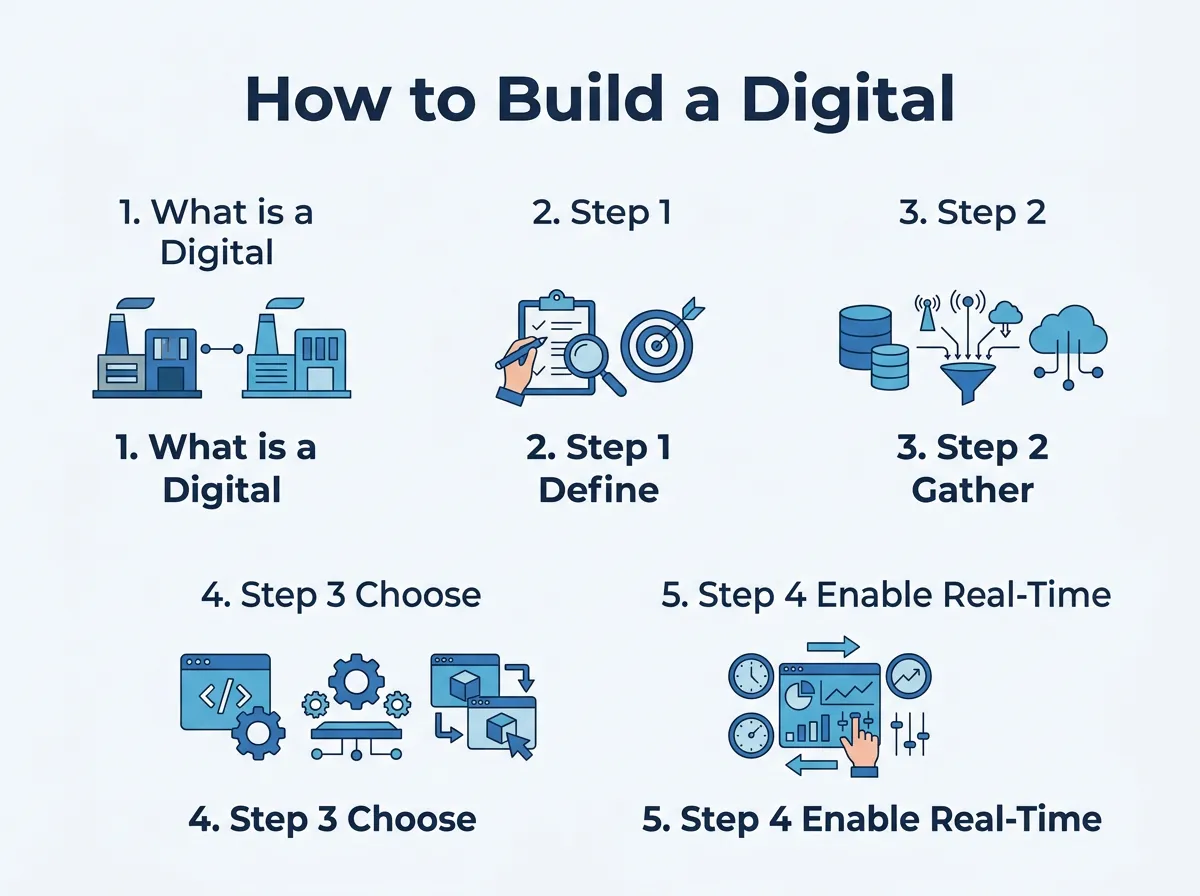
How to Build a Digital Twin? — key points at a glance
Define Your Technical Requirements
Every digital twin project needs a solid plan. You must know what data you need to collect and how often you need to update it. Understanding the essential digital twin requirements will help you avoid wasted effort. Write down who will use the twin, what devices they will use to view it, and what success looks like. Keep your scope small and simple at the start.
Step 2: Gather Your Data and Connect Assets
The Power of IoT Sensors
A digital twin needs data to live. Without data, it is just a static 3D picture. You get this life-giving data from Internet of Things (IoT) sensors. These sensors are attached to the physical asset. They measure heat, speed, vibration, and pressure. They then send this information across the network to the digital world. The quality of your sensors determines the accuracy of your twin.
Static Data and CAD Models
You also need static data to build the framework. This includes original Computer-Aided Design (CAD) models, repair logs, and user manuals. Combining real-time sensor data with historical records creates a complete picture. This step requires close teamwork between your IT team and the workers on the shop floor.
Step 3: Choose the Right Software and Build the Model
Selecting Your Platform
You do not have to write code from scratch. There are many platforms ready to help you build your twin. Some platforms focus on 3D visualization, while others focus on heavy data math and machine learning. Choose a platform that integrates easily with your existing databases and IoT hardware.
Creating Your First Virtual Model
Once you have your platform, you can start building. If you are a beginner, look at a guide on how to build your first digital twin to get hands-on experience. You will upload your 3D models and link them to your data feeds. At this stage, your twin will start to take shape. You will see a digital version of your machine that moves or changes color based on actual physical inputs.
Step 4: Enable Real-Time Data Sync and Smart Analytics
Setting Up the Flow
The digital twin must update when the physical object changes. This requires a fast, reliable data pipeline. If a machine heats up in the factory, the digital model should turn red on your dashboard right away. You must set up secure communication protocols to handle this data flow. Security is vital because you do not want hackers accessing your physical machines through the virtual twin.
Adding AI and Predictive Maintenance
Now, make your twin smart. Use artificial intelligence (AI) and machine learning algorithms. The AI can look at the incoming data patterns. It will say, “When the vibration looks like this, the pump breaks down three days later.” This is called predictive maintenance. It is one of the best parts of having a digital twin. It allows you to schedule repairs before a breakdown causes a total shutdown.
Step 5: Test, Deploy, and Scale Up
Start with a Pilot Project
Before you roll out the technology to the whole company, run a pilot test. Let a small group of operators use the digital twin. Make sure the data flows are correct and the AI predictions are accurate. This small test keeps risks low and builds confidence among your team members. Listen to user feedback and make necessary changes.
Scaling Your Digital Twin
Once your pilot project is a success, you can expand. Add more sensors to other machines. Connect different digital twins together. Soon, you will have a digital twin of your entire workflow, factory, or supply chain. This connected ecosystem provides deep insights that can transform how your business operates.
Conclusion
Building a digital twin sounds like a massive challenge. But when you break it down into simple steps, it is very doable. You just need to take it one step at a time. Start with a clear goal, collect your data, build the virtual model, sync them up, and test everything. With the right planning and tools, you will create a powerful system that helps your business work smarter and faster.
Frequently Asked Questions
What is the first step in building a digital twin?
The first step is defining a clear business goal and project scope. You must identify a specific problem you want to solve, such as reducing downtime or saving energy, before gathering any data.
Do I need 3D models to build a digital twin?
While 3D models are very common for visualization, they are not always required. Some digital twins focus entirely on data, charts, and system logic without a 3D interface, depending on the project goals.
What role does IoT play in digital twins?
IoT sensors are the bridge between the physical and digital worlds. They collect real-time data like temperature and speed from physical assets and feed it to the virtual model.
Is building a digital twin expensive?
The cost varies greatly depending on the complexity of the asset. Starting with a small pilot project and using existing CAD models and software platforms can keep initial costs relatively low.
Can a digital twin predict when a machine will break?
Yes, by using artificial intelligence and machine learning to analyze real-time sensor data. The digital twin can spot unusual patterns and alert you to potential failures before they happen.
How do you keep a digital twin secure?
You keep it secure by using encrypted data transfers, secure cloud hosting, and strict user access controls. This ensures that unauthorized users cannot access your system or control your physical assets.
